Concrete Pipe Factory Setup: Machines, Space and Equipment

Setting up a Concrete Pipe Factory requires careful planning of machinery, production space, moulds, concrete supply, handling equipment and curing areas. A well-planned factory layout can improve production efficiency, reduce unnecessary movement and support future expansion.
The correct factory setup depends on the required pipe diameters, daily production target, available land and selected Concrete Pipe Machine.
What Is Needed for a Concrete Pipe Factory Setup?
A modern Concrete Pipe Factory generally requires several interconnected systems and working areas.
The main requirements include:
Concrete pipe machine
Concrete pipe moulds
Concrete supply system
Raw material storage
Production area
Curing area
Finished pipe storage
Handling equipment
Electrical infrastructure
Maintenance area
The production equipment should be selected according to the manufacturer's target pipe sizes and production volume.
For a better understanding of the machinery itself, see Concrete Pipe Machine: Complete Guide to Concrete Pipe Production.

Choosing the Right Concrete Pipe Machine
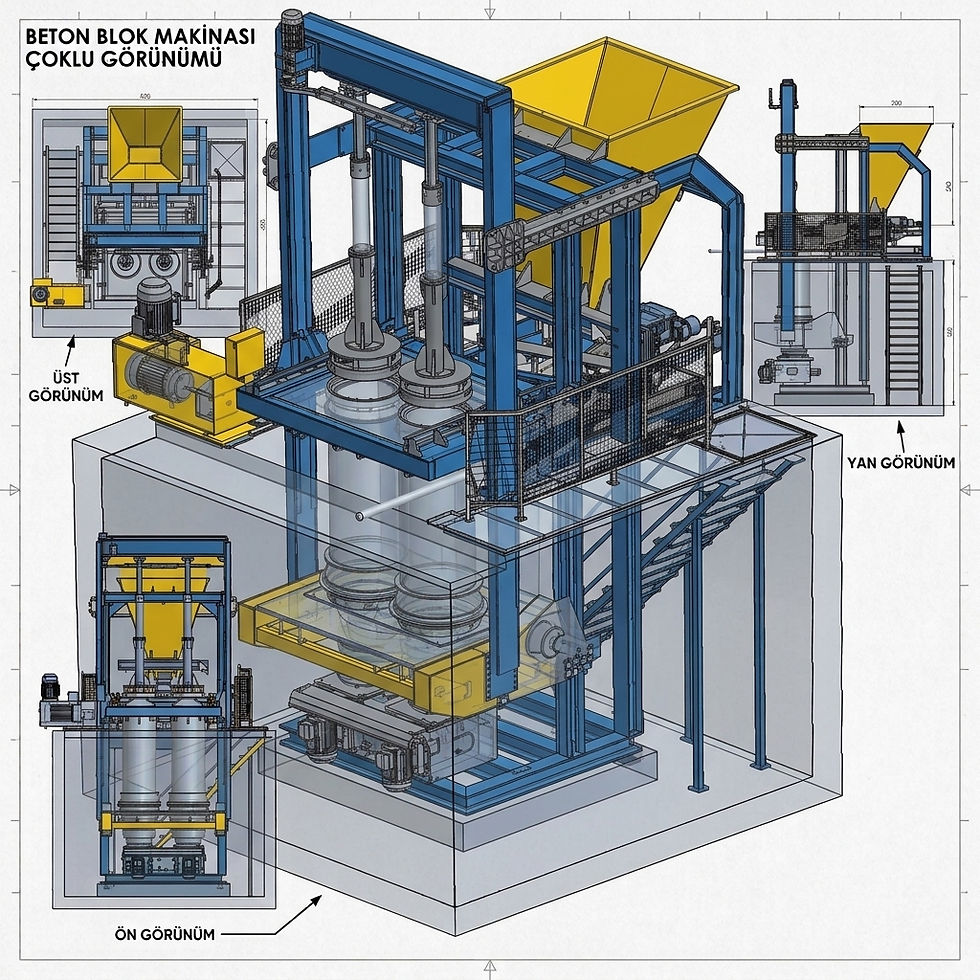
The Concrete Pipe Machine is the central piece of equipment in the factory.
Machine selection should be based on:
Pipe diameter
Pipe height
Daily production target
Required moulds
Automation level
Available factory space
Handling requirements
Future production plans
For example, smaller and medium-diameter pipe production may require a different machine configuration from large-diameter production.
Manufacturers can compare machine capabilities in PIPEKING-800 vs PIPEKING-1400: Which Concrete Pipe Machine Is Right for You?.
Factory Space Requirements
Factory space should be planned around the complete production process rather than only the machine footprint.
Important areas include:
Raw Material Storage
Cement, aggregates and other concrete materials need suitable storage areas close to the production system.
Production Area
The production area must provide sufficient space around the machine for mould handling, operator access, maintenance and safe movement.
Curing Area
Freshly produced pipes require a suitable curing area where they can develop the required concrete strength.
Finished Product Storage
Finished concrete pipes should have sufficient outdoor or indoor storage space before transportation to customers or construction sites.
Concrete Pipe Mould Storage
A factory producing different pipe diameters may require multiple Concrete Pipe Mould configurations.
Moulds should be stored in an organized area where they can be accessed safely and protected from unnecessary damage.
Manufacturers should also consider mould changeover time when planning production.
For more information about mould selection and maintenance, see Concrete Pipe Mould: Types, Uses and How to Choose the Right One.
Handling Equipment
Concrete pipes can be heavy, particularly when producing large-diameter products.
Depending on factory design and production volume, handling may involve:
Hydraulic transport trolleys
Forklifts
Cranes
Pallet or lifting equipment
Internal transport systems
The handling method should be considered during factory layout planning because insufficient movement space can reduce production efficiency.

Concrete Supply and Production Flow
A reliable concrete supply is essential for continuous pipe manufacturing.
The factory should be organized so that concrete can move efficiently from preparation to the pipe machine without unnecessary transportation.
The complete manufacturing sequence generally includes:
Concrete preparation → mould preparation → filling → vibration → forming → demoulding → curing → quality control → storage
A controlled Concrete Pipe Production Process helps maintain consistent product quality.
Electrical and Hydraulic Infrastructure
The factory must provide suitable electrical infrastructure for the selected machinery.
Depending on the machine configuration, hydraulic systems, vibration motors, control panels and other electrical components require appropriate installation.
The hydraulic system should also have sufficient access for inspection and maintenance.
Maintenance Area and Spare Parts
A dedicated maintenance area can help manufacturers perform routine inspections and repairs efficiently.
Commonly inspected components include:
Hydraulic hoses
Hydraulic cylinders
Vibrator motors
Electrical connections
Mould components
Wear parts
Preventive maintenance is important for reducing unexpected production interruptions. Manufacturers can also review Concrete Pipe Machine Maintenance: Essential Guide for Long-Term.

Planning for Future Expansion
A new Concrete Pipe Factory should not be designed only for today's production requirements.
Future expansion may involve:
Additional pipe diameters
More moulds
Higher production capacity
Additional machines
Larger storage areas
Improved handling equipment
Leaving suitable space for future development can make factory expansion easier and reduce the need for major layout changes.
How Much Does Factory Setup Cost?
The total investment depends on many factors, including machine configuration, mould quantity, factory preparation, handling equipment, concrete supply, electrical installation and storage requirements.
The Concrete Pipe Machine Price is therefore only one part of the complete factory investment.
Manufacturers should calculate the machine, moulds, installation, infrastructure, handling equipment, maintenance and other setup expenses together.
Building an Efficient Concrete Pipe Factory
A successful Concrete Pipe Factory Setup requires coordination between machinery, concrete supply, moulds, handling, curing and storage.
The factory layout should provide an efficient production flow while allowing sufficient space for operators, maintenance and future expansion.
By selecting suitable equipment and planning the factory carefully, manufacturers can establish a reliable concrete pipe production facility capable of serving different infrastructure and construction markets.
Frequently Asked Questions
What equipment is needed for a Concrete Pipe Factory?
A typical factory requires a Concrete Pipe Machine, moulds, concrete supply equipment, handling systems, curing space, storage areas and suitable electrical infrastructure.
How much factory space is required?
The required space depends on machine size, pipe dimensions, production capacity, mould quantity, curing area and finished product storage requirements.
Is a curing area necessary?
Yes. Fresh concrete pipes require suitable curing conditions to develop strength and achieve reliable long-term performance.
Should future expansion be considered?
Yes. Planning additional space for machines, moulds, storage and handling equipment can make future production expansion easier.


Comments