Concrete Manhole Machine: Production Guide

A Concrete Manhole Machine is designed to manufacture precast concrete manhole components used in drainage, sewage, stormwater and underground infrastructure projects. These machines use moulding, concrete filling, vibration and compaction to produce durable components with consistent dimensions.
Choosing the right Concrete Manhole Machine depends on the required product dimensions, production capacity, mould configuration and factory conditions.
What Is a Concrete Manhole Machine?
A Concrete Manhole Machine is industrial equipment used to produce precast concrete manhole rings, bases and related components.
The machine forms fresh concrete inside specially designed moulds. Controlled vibration and compaction help create a dense and uniform concrete structure.
Concrete manhole components are commonly used for:
Sewer systems
Stormwater drainage
Road infrastructure
Underground utilities
Inspection chambers
Municipal drainage projects
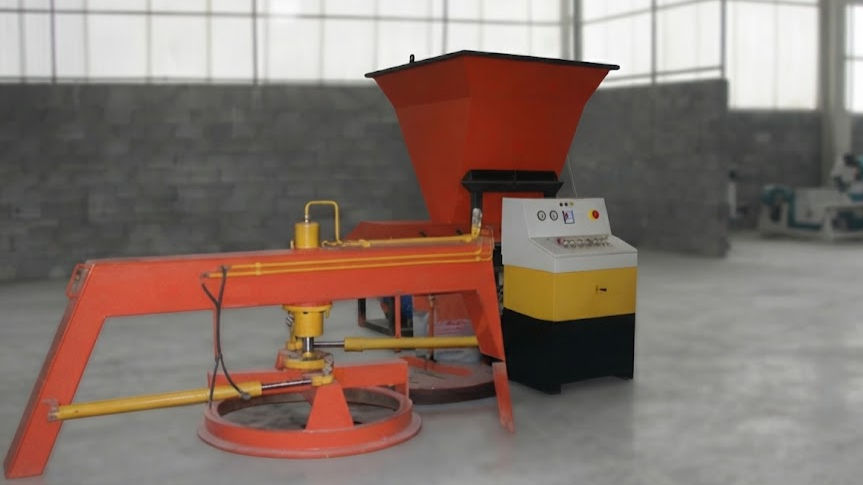
How Does a Concrete Manhole Machine Work?
The production process generally follows several controlled stages.
Concrete Mixture Preparation
Cement, aggregates, water and suitable additives are mixed according to the required concrete specifications.
A consistent mixture helps improve filling, compaction and finished product quality.
Mould Preparation
The appropriate mould is installed according to the required manhole component dimensions.
The mould determines the external shape, internal opening, wall thickness and overall dimensions of the finished product.
Filling and Vibration
Prepared concrete is placed into the mould and distributed throughout the forming area.
The vibration system compacts the concrete and helps reduce unwanted air voids.
Forming and Demoulding
The machine forms the concrete according to the mould configuration. After forming, the mould is removed according to the machine design.
The freshly produced component is then transferred to a suitable curing area.
Curing and Quality Control
Proper curing allows the concrete to develop strength.
Finished manhole components should be inspected for dimensions, surface quality, wall thickness, roundness and visible defects.
Concrete Manhole Products
A Concrete Manhole Machine can be configured for different precast concrete products depending on the machine and mould system.
Common products include:
Manhole rings
Manhole bases
Inspection chamber components
Concrete covers
Drainage components
Precast infrastructure elements
Different products may require different mould configurations.
Why Is the Mould Important?
The mould is one of the most important components of the production system.
A properly manufactured mould helps maintain:
Accurate dimensions
Consistent wall thickness
Smooth surfaces
Correct internal openings
Repeatable production
Manufacturers producing several manhole sizes should evaluate mould flexibility before purchasing machinery.
More information about mould selection can be found in Concrete Pipe Mould: Types, Uses and How to Choose the Right One.
Production Capacity of a Concrete Manhole Machine
Production capacity should be evaluated according to the required product dimensions and daily production target.
Larger manhole components generally require more concrete and production time, while smaller components can usually be produced in greater quantities.
Manufacturers should consider:
Product diameter
Product height
Daily production target
Number of moulds
Concrete supply
Curing capacity
Handling equipment
The goal should be to select a machine that matches actual production requirements rather than simply choosing the highest-capacity equipment.

Quality Control for Concrete Manhole Components
Quality control is essential for reliable underground infrastructure products.
Manufacturers should inspect:
Internal diameter
External diameter
Wall thickness
Height
Surface quality
Roundness
Cracks and visible defects
Joint dimensions
Consistent production and proper curing can help manufacturers maintain reliable product quality.
Maintenance of Concrete Manhole Production Equipment
Regular maintenance helps keep production equipment operating reliably.
Important components to inspect include:
Hydraulic system
Vibration motors
Moulds
Electrical connections
Hydraulic hoses
Bolts and mechanical connections
Wear parts
Preventive maintenance can reduce unexpected downtime and extend machine service life.
For more information, see Concrete Pipe Machine Maintenance: Essential Guide for Long-Term.
Choosing the Right Machine for Your Factory
Before purchasing a Concrete Manhole Machine, manufacturers should determine their target products and production requirements.
Important considerations include:
Required manhole dimensions
Production capacity
Mould requirements
Factory space
Handling equipment
Automation level
Maintenance requirements
Spare parts
Technical support
The machine should also be considered as part of the complete production facility rather than as an individual piece of equipment.
Building an Efficient Manhole Production Line
An efficient production line requires coordination between concrete preparation, moulds, vibration, demoulding, curing, handling and quality control.
A suitable Concrete Manhole Machine can help manufacturers establish consistent production for drainage and underground infrastructure applications.
When machinery, moulds, concrete quality and curing conditions are properly coordinated, manufacturers can produce durable precast concrete manhole components for different construction projects.
Frequently Asked Questions
What is a Concrete Manhole Machine?
A Concrete Manhole Machine is equipment used to manufacture precast concrete manhole rings, bases and related infrastructure components.
What products can a Concrete Manhole Machine produce?
Depending on the machine and mould configuration, it can produce manhole rings, bases, inspection chamber components and other precast concrete infrastructure products.
Why is mould accuracy important?
Mould accuracy directly affects the dimensions, wall thickness, shape and surface quality of the finished manhole component.
How can production quality be maintained?
Consistent concrete mixtures, accurate moulds, proper vibration, controlled curing and regular quality inspections are important for maintaining production quality.


Comments