Concrete Pipe Machine Investment Cost: What Should You Budget For?

Updated: Aug 23
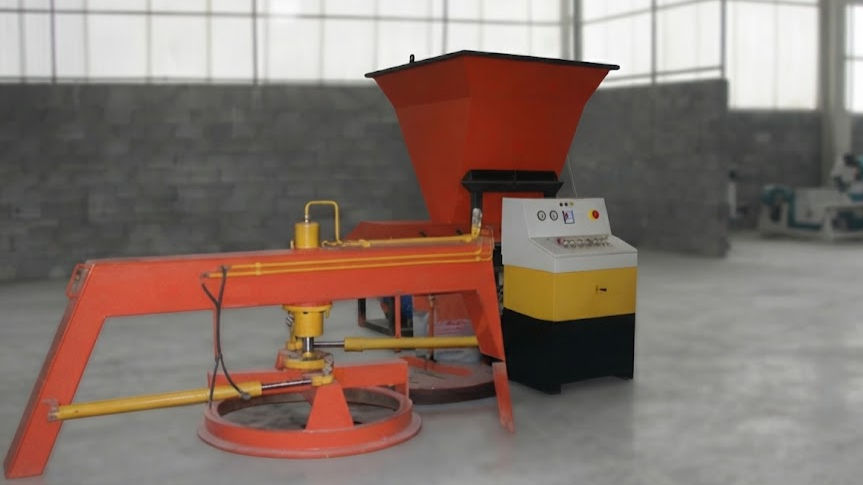
Starting a precast concrete pipe production business requires more than purchasing a machine. The total Concrete Pipe Machine Investment Cost can include machinery, moulds, installation, factory preparation, handling equipment, spare parts and other production requirements.
Understanding these costs before making an investment helps manufacturers create a realistic budget and select equipment that matches their production goals.
What Is Included in Concrete Pipe Machine Investment Cost?
The total investment can vary significantly depending on the production requirements of each factory.
The main cost categories may include:
Concrete pipe machine
Concrete pipe moulds
Installation and commissioning
Concrete handling equipment
Electrical installation
Factory preparation
Spare parts
Operator training
Maintenance
Production accessories
Therefore, manufacturers should evaluate the complete investment rather than looking only at the initial machine quotation.
Machine Capacity and Pipe Diameter
One of the most important factors affecting investment is the required pipe diameter.
A factory producing small and medium diameter pipes may require a different machine configuration from a manufacturer targeting large infrastructure and drainage projects.
For example, CONMACH's PIPEKING machine range includes configurations for different pipe diameter requirements. Manufacturers should determine their target market before selecting the machine.
A useful comparison of machine sizes can be found in the PIPEKING-800 vs PIPEKING-1400 guide. PIPEKING-800 vs PIPEKING-1400 comparison

Concrete Pipe Mould Investment
Moulds are another important part of the total investment.
A manufacturer producing several pipe diameters may require multiple mould configurations. The number of moulds required depends on:
Pipe diameter
Pipe height
Wall thickness
Production target
Machine configuration
Required product range
Investing in suitable moulds can allow a factory to produce different pipe sizes and respond to a wider range of customer requirements.
For more information about mould selection, see the Concrete Pipe Mould guide. Concrete Pipe Mould: Types, Uses and How to Choose the Right One
Factory Preparation and Installation Costs
The machine itself is only one part of establishing a production facility.
Before installation, manufacturers may need to prepare:
Production floor
Electrical infrastructure
Concrete supply system
Material storage areas
Pipe curing area
Finished product storage
Internal transport routes
Installation and commissioning should also be included in the initial investment calculation.
Proper installation helps ensure that the machine operates according to its intended specifications.
Handling and Material Equipment
Concrete pipe production also requires the movement of raw materials and finished products.
Depending on the factory layout, manufacturers may need equipment such as:
Forklifts
Hydraulic trolleys
Cranes
Concrete transfer equipment
Storage systems
The required handling equipment depends on pipe size, production volume and factory layout.
For this reason, handling requirements should be considered before finalizing the production facility design.

Maintenance and Spare Parts Budget
Another important consideration is the long-term cost of operating the equipment.
Regular maintenance may include inspection of:
Hydraulic systems
Vibrator motors
Electrical components
Moulds
Hydraulic hoses
Mechanical components
Wear parts
Preventive maintenance can help reduce unexpected downtime and protect the service life of the machine.
Manufacturers should therefore include maintenance and spare parts in their long-term investment planning.
A detailed maintenance strategy is explained in the Concrete Pipe Machine Maintenance guide. Concrete Pipe Machine Maintenance: Essential Guide for Long-Term Performance
Production Volume and Return on Investment
The required production volume should be considered together with the initial investment.
A manufacturer producing a small number of pipes per day may not need the same machine configuration as a factory supplying large infrastructure projects.
Before purchasing equipment, calculate:
Expected production volume + selling price + operating costs + labour + maintenance + investment
This helps determine whether the planned production capacity can support the desired return on investment.
Machine Price vs Total Investment
A low machine price does not always mean a lower total investment.
For example, a machine with a lower initial price may require additional moulds, equipment or modifications that increase the final project cost.
Manufacturers should compare:
Machine + Moulds + Installation + Handling + Infrastructure + Spare Parts + Maintenance
This approach provides a more realistic picture of the total investment.
For another perspective on machine pricing, see the Concrete Pipe Machine Price guide. Concrete Pipe Machine Price: What Determines the Cost?
How to Reduce Concrete Pipe Production Investment
Manufacturers can control investment costs by carefully defining their production requirements before purchasing equipment.
Some practical approaches include:
Selecting the correct machine capacity
Avoiding unnecessary automation
Planning mould requirements carefully
Optimizing factory layout
Comparing long-term operating costs
Choosing reliable equipment
Planning preventive maintenance
Considering future production expansion
The objective should not simply be to minimize the initial purchase price. The goal is to achieve the best balance between investment, production capacity, quality and long-term operating performance.

Choosing the Right Investment Strategy
The right Concrete Pipe Machine Investment Cost depends on the production model, target pipe sizes, expected output and future business plans.
Manufacturers should prepare a complete investment plan before purchasing machinery and consider both initial and ongoing costs.
A carefully planned concrete pipe production facility can provide a stronger foundation for efficient production and future expansion.
For manufacturers still evaluating equipment options, the guide How to Choose the Best Concrete Pipe Machine for Your Business can provide additional selection criteria. How to Choose the Best Concrete Pipe Machine for Your Business
Frequently Asked Questions
What affects Concrete Pipe Machine Investment Cost?
The main factors include machine capacity, pipe diameter, mould requirements, automation, installation, handling equipment, factory preparation and maintenance.
Is the machine price the total investment?
No. The machine price is only one part of the total investment. Moulds, installation, infrastructure, handling equipment and other production requirements may also need to be included.
Do different pipe diameters require different moulds?
Generally, different pipe diameters require suitable mould configurations. The exact requirements depend on the machine design and production system.
How can manufacturers control investment costs?
Manufacturers can control costs by selecting the correct machine capacity, planning mould requirements carefully, optimizing the factory layout and evaluating long-term operating expenses.
Is a more expensive Concrete Pipe Machine always better?
No. The most expensive machine is not necessarily the best choice. The machine should be selected according to actual production requirements, target pipe sizes, capacity and future business plans.


Comments