Crane System Concrete Pipe Machine

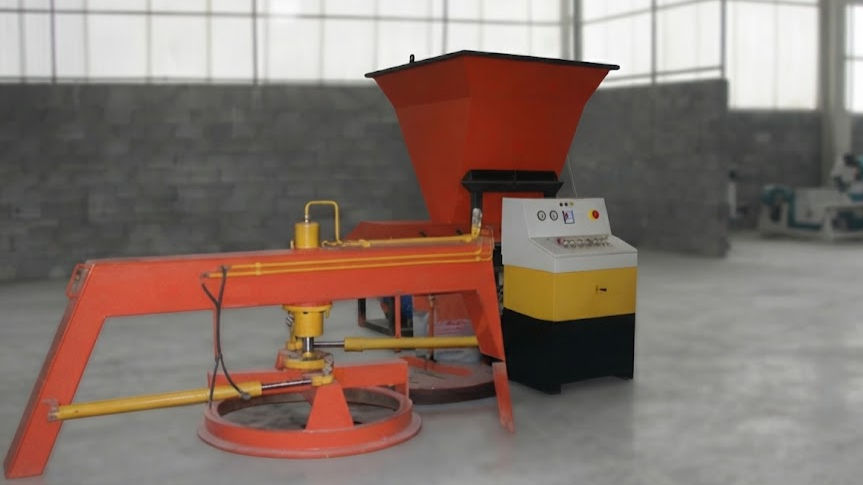
A Crane System Concrete Pipe Machine is designed to improve the handling and production of precast concrete pipes in industrial manufacturing facilities. By combining concrete forming technology with an integrated or compatible crane handling system, manufacturers can move moulds, fresh pipes and production components more efficiently.
Crane-assisted production can be particularly useful in factories producing different pipe diameters, where safe material handling and organized production flow are important.
Choosing the right machine depends on pipe diameter, production capacity, mould configuration, factory layout and handling requirements.
What Is a Crane System Concrete Pipe Machine?
A Crane System Concrete Pipe Machine is a concrete pipe production system that works together with crane-based handling equipment to support the movement of moulds, production components or finished concrete pipes.
The concrete pipe machine performs the forming, vibration and compaction processes, while the crane system can support material handling around the production area.
This combination can help manufacturers organize their production facility more efficiently.
How Does a Crane System Concrete Pipe Machine Work?
The production process generally begins with the preparation of the concrete mixture.
The main stages can include:
Concrete mixture preparation
Mould preparation
Concrete filling
Vibration and compaction
Pipe forming
Demoulding
Handling
Curing
Quality control
During production, the machine forms the concrete pipe inside the mould. After forming and demoulding, crane equipment can assist with moving moulds or freshly produced components to the appropriate area.
For a detailed overview of the complete manufacturing sequence, see Concrete Pipe Production Process: From Raw Materials to Finished Pipes. Concrete Pipe Production Process: From Raw Materials to Finished Pipes

Advantages of a Crane System Concrete Pipe Machine
A crane-assisted production system can provide several advantages for manufacturers.
Improved Material Handling
Large concrete pipes and heavy mould components can be difficult to move manually.
A crane system can support the controlled movement of heavy components within the production facility, helping improve workflow and reduce unnecessary handling.
Better Factory Organization
Production areas can become crowded when moulds, fresh pipes and other equipment are moved using separate handling methods.
A suitable crane system can help establish a more organized material flow between production, curing and storage areas.
Support for Different Pipe Sizes
Manufacturers producing several pipe diameters may need to change moulds regularly.
Efficient handling equipment can make mould movement and production preparation easier, particularly in facilities producing different concrete pipe sizes.
Crane System and Concrete Pipe Moulds
The mould is one of the most important components of concrete pipe production.
Different pipe diameters require suitable mould configurations, and these moulds can be heavy industrial components.
A crane system can assist operators when moving, positioning or storing mould components.
Manufacturers should therefore evaluate the machine and handling system together rather than considering the production machine separately.
For more information about mould selection, see Concrete Pipe Mould: Types, Uses and How to Choose the Right One. Concrete Pipe Mould: Types, Uses and How to Choose the Right One

What Should Be Considered When Choosing a Crane System?
Before selecting a Crane System Concrete Pipe Machine, manufacturers should evaluate the factory's handling requirements.
Important factors include:
Maximum load capacity
Crane lifting height
Factory ceiling height
Production area dimensions
Mould weight
Finished pipe weight
Crane travel distance
Operator controls
Safety requirements
Maintenance requirements
The crane system should be compatible with the factory layout and the weight of the components that need to be moved.
Production Capacity and Handling Requirements
Production capacity should also be considered when selecting handling equipment.
A manufacturer producing a high number of concrete pipes may require a more organized handling system than a small production facility.
However, the handling system should not simply be selected according to the highest possible lifting capacity. It should be designed according to the actual machine configuration, mould weights and production workflow.
Manufacturers comparing different machine sizes can also review PIPEKING-800 vs PIPEKING-1400 to understand how different production ranges affect equipment selection. PIPEKING-800 vs PIPEKING-1400: Which Concrete Pipe Machine Is Right for You?
Safety and Operator Training
Crane-assisted production requires appropriate operator training and safe working procedures.
Operators should understand:
Load limits
Lifting procedures
Crane controls
Mould positioning
Safe working distances
Equipment inspection
Emergency procedures
Regular inspection of lifting equipment and machine components is also important.
A well-maintained production system can help reduce unexpected interruptions and support safer operation.

Maintenance of the Crane and Concrete Pipe Machine
Both the concrete pipe machine and crane handling system should be included in the facility's preventive maintenance program.
The concrete pipe machine may require regular inspection of hydraulic components, vibration motors, moulds and electrical systems.
The crane system should also be inspected according to its manufacturer's recommendations.
For the concrete pipe machine maintenance side, see Concrete Pipe Machine Maintenance: Essential Guide for Long-Term. Concrete Pipe Machine Maintenance: Essential Guide for Long-Term
Is a Crane System Suitable for Every Factory?
Not necessarily.
The suitability of a crane system depends on factory dimensions, production volume, mould weight, pipe sizes and handling requirements.
A small facility with limited production may require a simpler handling solution, while a larger industrial plant producing multiple pipe sizes may benefit from a more organized crane-assisted system.
The important point is to design the handling solution according to the complete production process.
Choosing the Right Concrete Pipe Production System
A Crane System Concrete Pipe Machine should be evaluated as part of the complete production facility.
Manufacturers should consider:
Machine type
Pipe diameter range
Production capacity
Mould requirements
Crane capacity
Factory layout
Handling requirements
Maintenance
Spare parts
Technical support
The right combination of machinery and handling equipment can help manufacturers establish a more efficient concrete pipe production workflow.
Key Considerations for Concrete Pipe Manufacturing
A Crane System Concrete Pipe Machine can provide important handling advantages for concrete pipe manufacturers, particularly when heavy moulds, large pipes and multiple production sizes are involved.
The most suitable system depends on pipe dimensions, production volume, factory layout and handling requirements.
By evaluating the concrete pipe machine, mould system and crane equipment as one complete production solution, manufacturers can create a more organized, efficient and scalable precast concrete pipe manufacturing operation.
Frequently Asked Questions
What is a Crane System Concrete Pipe Machine?
A Crane System Concrete Pipe Machine is a concrete pipe production system supported by crane-based handling equipment for moving moulds, production components or finished pipes.
Why is a crane useful in concrete pipe production?
A crane can help move heavy moulds, concrete pipe components and finished products within the production facility, improving material handling efficiency.
Can a crane system handle different concrete pipe moulds?
Yes, provided the crane has sufficient lifting capacity and the moulds are compatible with the handling system.
Does every concrete pipe factory need a crane system?
No. The requirement depends on factory size, production capacity, mould weight, pipe dimensions and material handling needs.
Is operator training important?
Yes. Operators should understand lifting capacity, safe handling procedures, crane controls and equipment inspection requirements.


Comments